The Quiet Death of Third Spaces and the Rise of Loneliness
A coffee shop in Columbus, a country that forgot how to gather, and why rebuilding the rooms in between work and home is a public-health problem.
In 2019 and 2020, I spent some time in Columbus, Ohio, where I did some work for The Ohio State University. During my time in the Buckeye State, I routinely made my way to a local coffee shop in the Short North, where I would meet friends, sometimes business partners, and even have lunch with some local politicians, and the shop became more than just a space to caffeinate. It was a hub of connection, where conversations with strangers slowly became friendships, and a casual meeting could lead to something much deeper. There was a time when stepping into Mission Coffee felt like more than just ordering my morning latte. It was a ritual, a moment of familiarity that grounded my day. The barista knew my name and had my drink started before I even approached the counter, and that small exchange was a thread that tied me to something larger, to a sense of belonging.
Then, seemingly overnight, it was gone. COVID-19 forced its closure, and with it, a piece of my routine and sense of community disappeared. What was once a vibrant third space and a refuge for me between work and home vanished. I felt the loss quite acutely, but it wasn't until many months later, as the world began to reopen, that I realized this wasn't just about missing a coffee shop. It was about losing a third space — an essential place that offered not just coffee but connection.
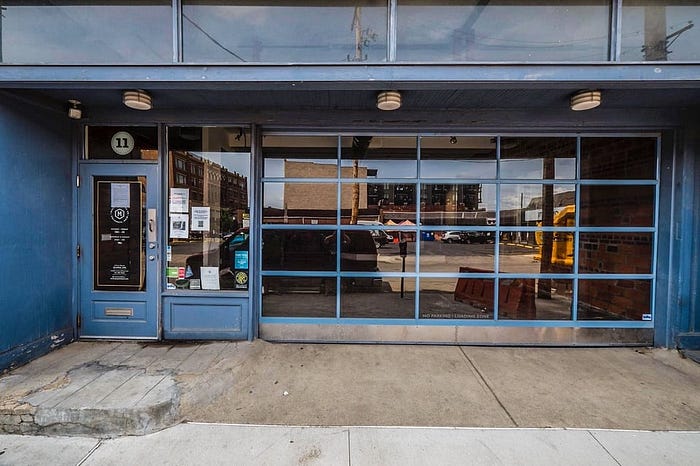
This loss was not unique to me. Across the country, the pandemic accelerated the decline of these community hubs — coffee shops, libraries, and parks — spaces where people gathered not for necessity but for connection. As these spaces closed, we began to see something else rise: loneliness. It crept into the spaces left behind, growing in the quiet isolation that so many of us experienced.
We often talk about loneliness as if it were just an emotion, something fleeting that comes and goes, but it's deeper than that. Recent studies have shown that loneliness can be as damaging to our health as smoking 15 cigarettes a day, increasing the risk of premature death by up to 50%. What was once a personal feeling has now become a societal epidemic, particularly for men. Surveys from recent years show a sharp increase in the number of men reporting they have no close friends, a number that has quadrupled since the late 1990s. This isn't just happening because people are working more or moving away. It's happening because the places where we once found community, those third spaces, are disappearing.
Third spaces are where life happens. These are the coffee shops where we linger over conversations, the parks where we take in the world around us, and the libraries where we quietly share space with others. They are places that don't demand much of us, but in return, they give us something invaluable. They give us a sense of belonging and a connection to the broader world. Sociologist Ray Oldenburg famously called these third spaces "the anchors of community life," and he was right. Without them, we are left with only the binaries of work and home, and neither of those spaces can fully sustain us.
For men, in particular, these spaces are crucial. We tend to form friendships in structured environments through work, sports, or activities. As those environments become more fragmented, as remote work rises and community centers decline, the opportunities for men to form lasting, meaningful connections dwindle. A coffee shop might seem like a small, insignificant thing. Still, for many men, it's a place where those connections happen. It's a place where a casual conversation about Shohei Ohtani reaching the 50/50 milestone in the latest Dodgers game can turn into something deeper over time.
But it isn't just the pandemic that's taken these spaces from us. In many cities, urban design has shifted toward car-centric, sprawling environments where third spaces are harder to find. Take Orlando, FL, for example. In the suburbs, people drive from one isolated destination to another, rarely walking through their neighborhood, seldom encountering the serendipity of a spontaneous social interaction. When small businesses closed during the pandemic, many never reopened. In places like Orlando, which relies so heavily on car culture to get around, the opportunity to rebuild those community hubs feels more distant than ever.

Contrast this with a city like New York, where the density and walkability allow third spaces to thrive. Here, you don't have to drive to meet a friend for coffee. You can walk to the corner café, sit in the park, or spend an afternoon browsing the stacks at the library. The city is designed to encourage connection, making it easy to be part of something larger. Walk through a neighborhood in Brooklyn or Manhattan, and you'll find people lingering in public spaces, connecting with each other in a way that only physical proximity allows. The city's architecture itself fosters community. But for those living in sprawling suburbs, where every destination requires a car and third spaces are few and far between, that sense of connection is much harder to come by.
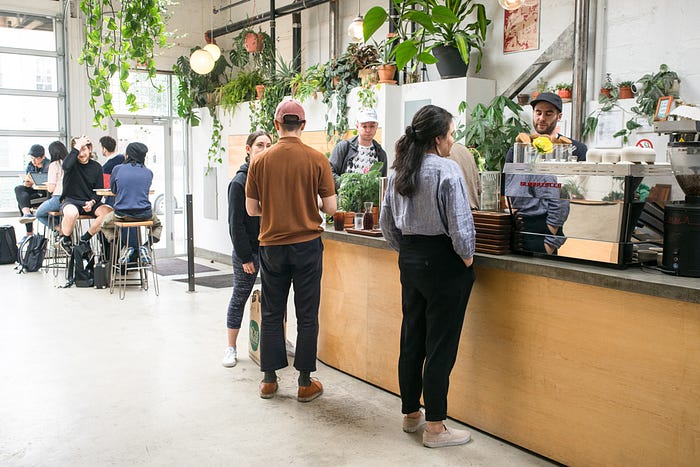
The consequences of losing these spaces are profound. Without third spaces, we retreat further into isolation, spending more time alone or confined to the structured environments of work and home. We lose the opportunity for the casual, unstructured interactions that form the basis of many friendships. And this isolation is taking a toll, not just on our mental health, but on our physical health, too. Loneliness, as studies show, is as deadly as any other major health risk, and yet it is often overlooked in discussions about public health. However, it doesn't have to be this way. While the loss of third spaces and the rise of loneliness may seem like overwhelming trends, we're starting to see a collective awakening to the severity of the problem. Japan's appointment of a Minister of Loneliness was a clear signal that we can no longer ignore the issue. Likewise, in the U.S., Surgeon General Dr. Vivek Murthy's 2023 declaration that loneliness is a public health epidemic emphasizes the urgent need for solutions. This growing awareness shows that society is beginning to understand what we've long known intuitively: we are built for connection, and when that connection is severed, the effects ripple out into every corner of our lives.

In his book Of Boys and Men, Richard Reeves paints a particularly vivid picture of how this crisis affects men. His work reinforces what we've been talking about all along. Third spaces are not just a luxury; they're vital to our mental health and social well-being. Reeves argues that as traditional masculine roles have evolved, many men have found themselves isolated, without the spaces that once provided them with community and purpose. Whether it's the workplace, the gym, or the local sports team, men have long relied on structured environments to form friendships and maintain their social networks. However, as those environments have become more fragmented or even vanished, men are increasingly left without the support systems they need.
This is where Reeves's analysis intersects with the broader issue of third spaces. Without those informal, unstructured places like our coffee shops, our libraries, and our parks, many men are cut off from the casual interactions that once grounded them. His work, backed by research from the Brookings Institution, shows that rebuilding these spaces isn't just about providing somewhere to sit and sip coffee. It's about creating environments where people, particularly men, can connect in ways that are fundamental to their health and well-being. The decline of these spaces isn't just contributing to loneliness; it's contributing to a societal breakdown, where the bonds that once held us together are fraying.
Scott Galloway, someone I've long respected as a mentor and thought leader, often speaks about this loneliness crisis. In his work, Galloway emphasizes that loneliness has become a defining issue of our time, particularly for men struggling to find purpose and connection in a rapidly changing world. He argues that we must actively cultivate spaces where people can come together, not just in the digital realm but in the physical world. Galloway frequently calls for a shift in how we think about community, urging us to build more spaces where people can engage with each other face-to-face. He emphasizes that we should welcome a community that goes into the office, grabs a drink with a friend, and is not afraid to be met with rejection. Like Reeves's, his work points to the idea that we've been too quick to trade connection for convenience, and we're now paying the price.
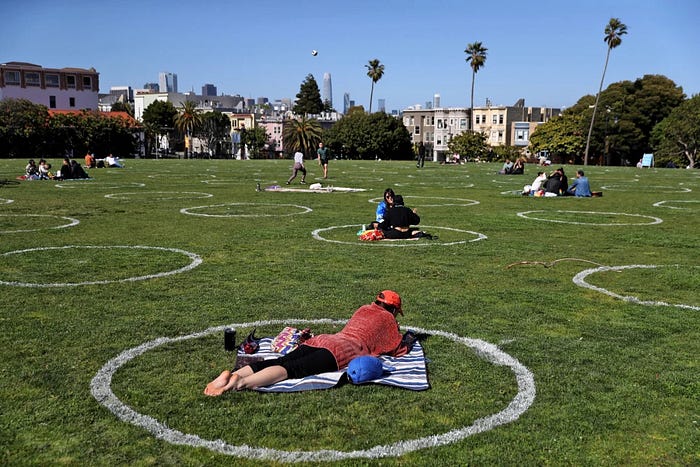
The solution, then, is not just to reopen the coffee shops and parks that closed during the pandemic. It's to fundamentally rethink how we design our cities and our lives. We must build environments that prioritize community over isolation and connection over convenience. Imagine a world where third spaces are central to urban planning, where it's easy to walk to a café, linger in a park, or meet friends at a library. A world where the architecture of our lives is built around the understanding that we are wired for connection.
Reeves, Galloway, and leaders like Murthy are all pointing us in the same direction. If we want to combat loneliness, we need to rebuild the spaces where people can come together, both in structured and unstructured ways. We need to create a world where people aren't just surviving in their isolated bubbles but thriving in their communities. And as we rethink how we build our cities and structure our lives, we have the opportunity to do something even bigger: we can reconnect with each other, rebuild the third spaces we've lost, and, in doing so, begin to heal the epidemic of loneliness that has quietly consumed our lives. Ultimately, this is about more than just a coffee shop. It's about restoring the fabric of human connection that has been slowly unraveling. It's about recognizing that in a world increasingly dominated by screens and transactions, what we really need are places where we can simply be together.